Japanese craft beer · India Pale Lager

nami nami

to fill generously; wave upon wave.

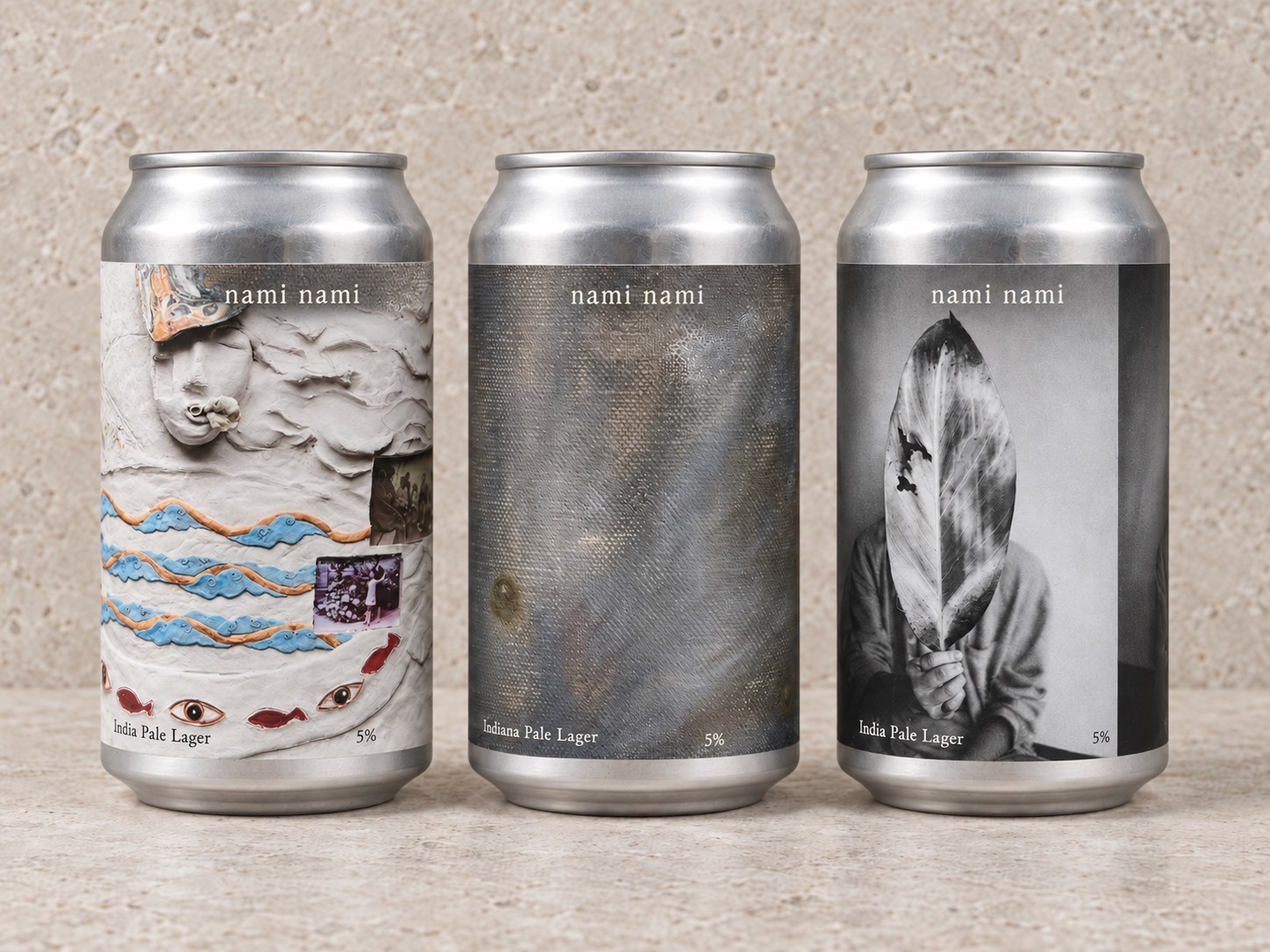
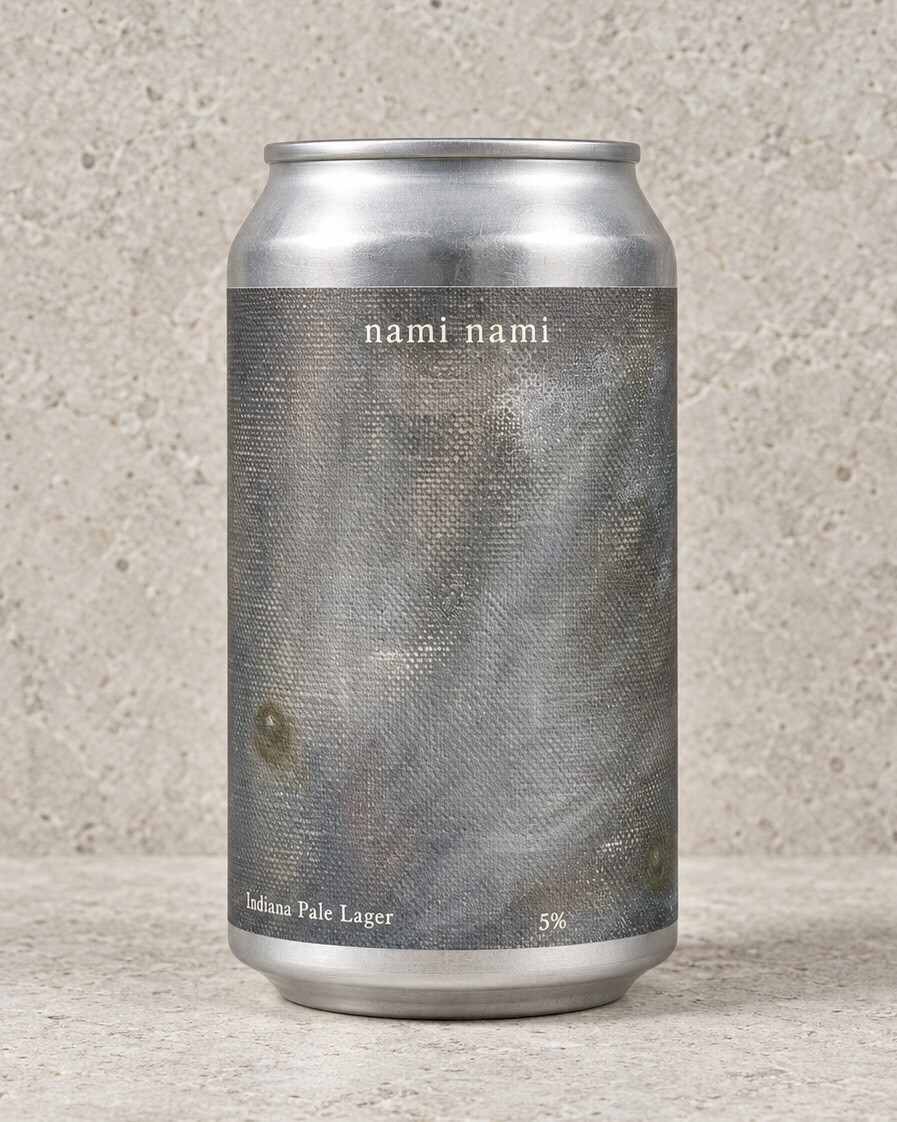
Three nami nami cans, each wrapped in a different artist’s work: a clay relief with waves and fish, a muted oil painting on canvas, and a black-and-white photograph of a figure holding a leaf over their face.
Scroll

The beer

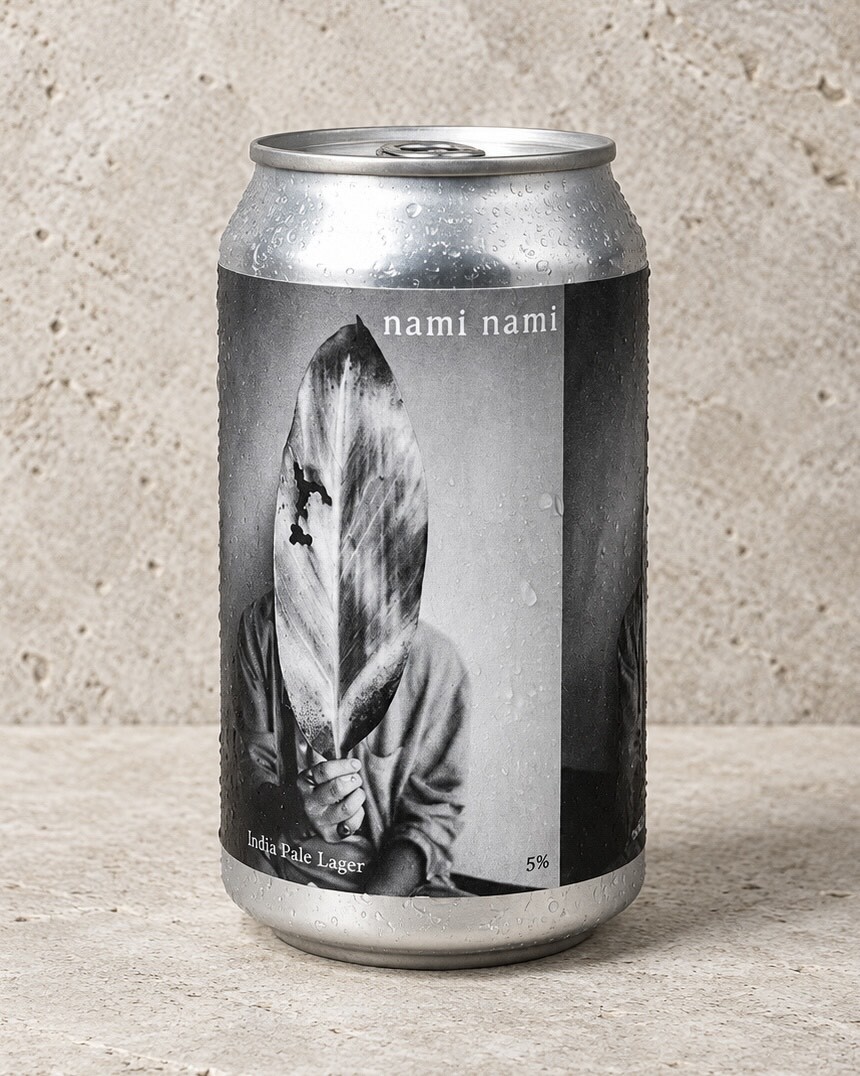
A chilled nami nami can, beaded with condensation, its label a black-and-white photograph of a figure holding a leaf.
India Pale Lager · 5% · 350 ml

An evolving collaboration between makers, artists and coastal restoration, experienced through Japanese craft beer.

A crisp craft lager from a small surf brewery in Chiba, brewed at Kaigan Brewery in Minamiboso by brewers and surfers who work a short walk from the sea.

Every edition features an invited artist, and every batch helps fund restoration on one stretch of Japan’s coast. See where batch 01 goes ↓

Brewery
Kaigan Brewery, Minamiboso, Chiba
Style
India Pale Lager (IPL)
Alcohol
5%
Can
350 ml
Taste
Tropical and citrus notes, with a clean, crisp lager finish

Impact · Batch 01

One coastline per batch.

The first batch of nami nami supports the creation and conservation of seaweed beds on the coast of Hirono, Iwate. The carbon those beds hold is certified as J Blue Credit® by the Japan Blue Economy Association, and bought directly from Hirono Town.

Dotted underlines mark statements that are signed off and backed by evidence. Hover or tap one to see what stands behind it. Evidence managed by PocketSeed

5,000 Cans in batch 01
2.0 t CO₂ in J Blue Credit® purchased
400 g CO₂ per can

Project 202211 JBCA00013 · Creation and conservation of seaweed beds using zoshokuko channels in Hirono, Iwate.

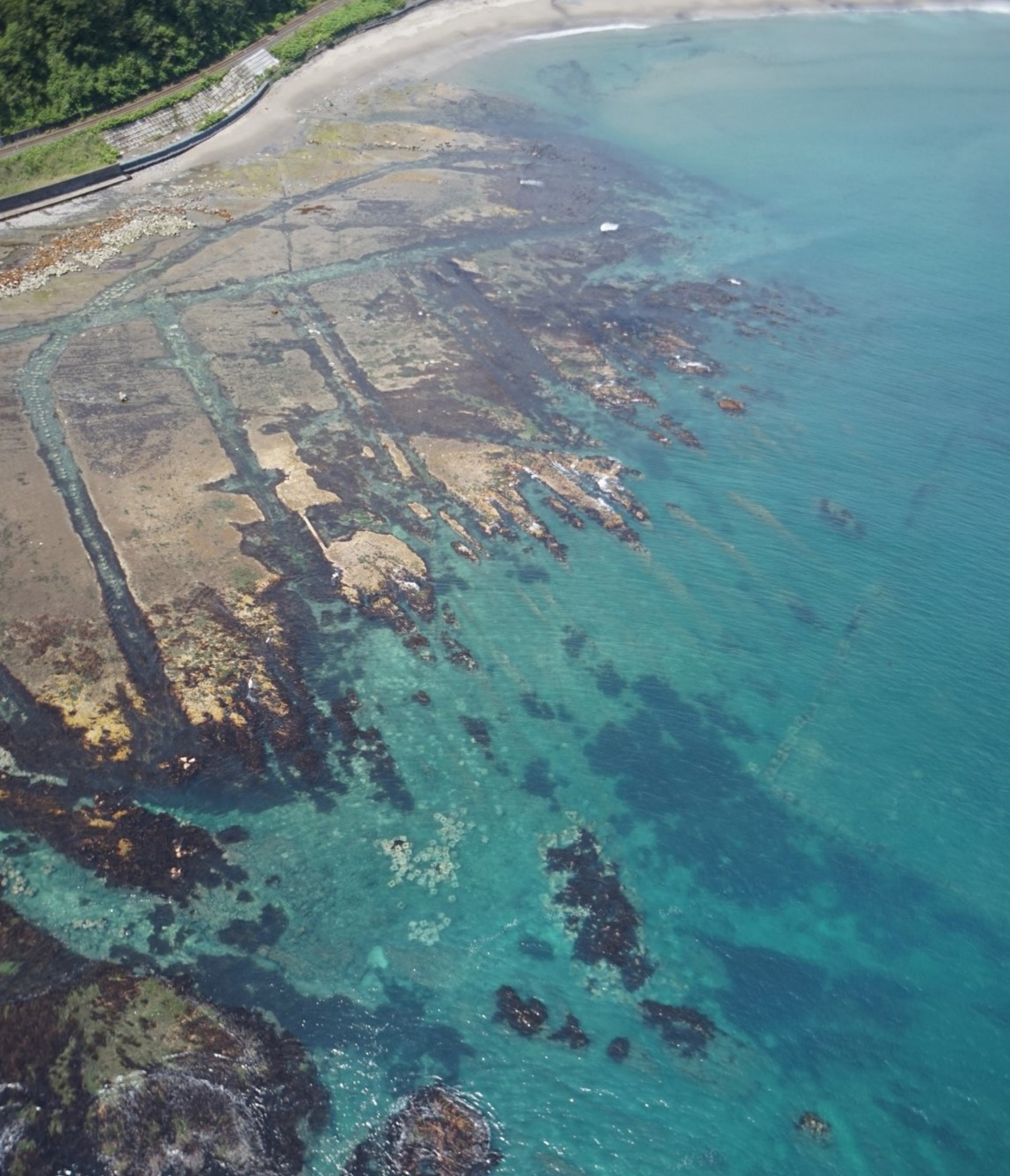
Looking straight down on Hirono’s shore: long straight channels cut into the rock shelf, dark with seaweed, running out into turquoise water.
Zoshokuko channels at low tide, Hirono

The coast

Hirono, Iwate

For around fifty years, fishers in Hirono have cut channels into the rock shelf along their shore. Known as zoshokuko, they were made to raise sea urchin and abalone. Waves keep fresh seawater moving through them even at low tide.

The same channels grow dense beds of kombu and wakame. These seaweed beds shelter marine life and draw down carbon, which is now measured and certified as blue carbon. The project is run by the town together with three local fisheries cooperatives.

17.5 km
of channels in total
~4 m
wide, about 1 m deep
3,106.5 t
CO₂ certified in 2022, then the largest single J Blue Credit® issue

How it’s verified

Every tonne is counted once, recorded in the J Blue Credit® registry, and can never be sold again.

  1. 01

    Bought from the town

    Credits are purchased from Hirono Town, the project owner, through its appointed agent Sumitomo Corporation Tohoku.

  2. 02

    Paid to the coast

    Payment goes straight into Hirono Town’s account to fund the project.

  3. 03

    Transferred and retired

    The Japan Blue Economy Association records the transfer and retirement together in the J Blue Credit® registry. Each 0.1 t carries its own serial number, and once retired it can’t be used again.

  4. 04

    Certified

    Hirono Town issues a purchase certificate once the registry confirms it.

Scan the can

Live soon, and it counts from today. Cans bought before launch are included.

The QR on every can will open the nami nami platform: the artist’s story, the coast this batch supports, what your can contributed with the evidence behind it through PocketSeed, and the project’s total so far. It opens the same product passport you can see above in the beer section.

  • Hirono Town
  • Japan Blue Economy Association
  • J Blue Credit®
  • Sumitomo Corporation Tohoku
  • PocketSeed

Inaugural collection 2026

Curiosity Without Prescription

One artist per edition, named on the can. A range to discover and collect.

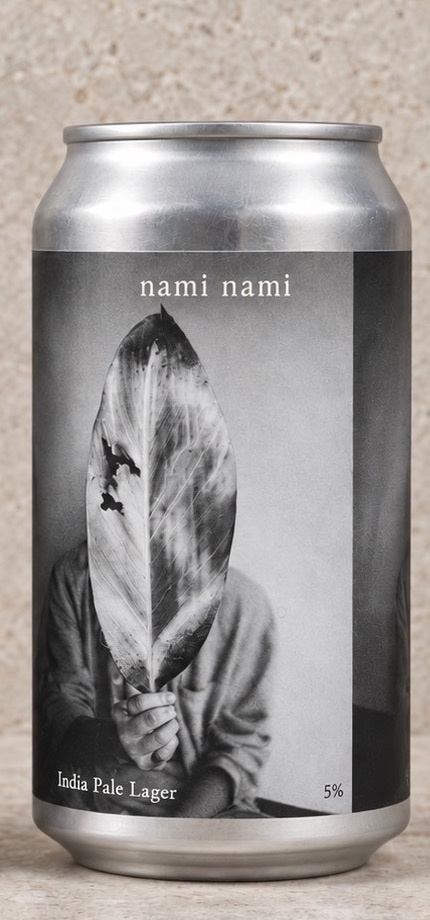
nami nami can with a black-and-white photograph of a figure holding a large leaf in front of their face.
i.

James Ozawa Kerr

How the places we inhabit shape who we are

James Ozawa (b. 1987) is a Tokyo-based photographer exploring how places and environments shape the people who inhabit them. Through portraits and landscapes, he documents the relationship between geography, culture, and identity. His work is driven by curiosity about unfamiliar places and the different ways people experience and understand the world around them.
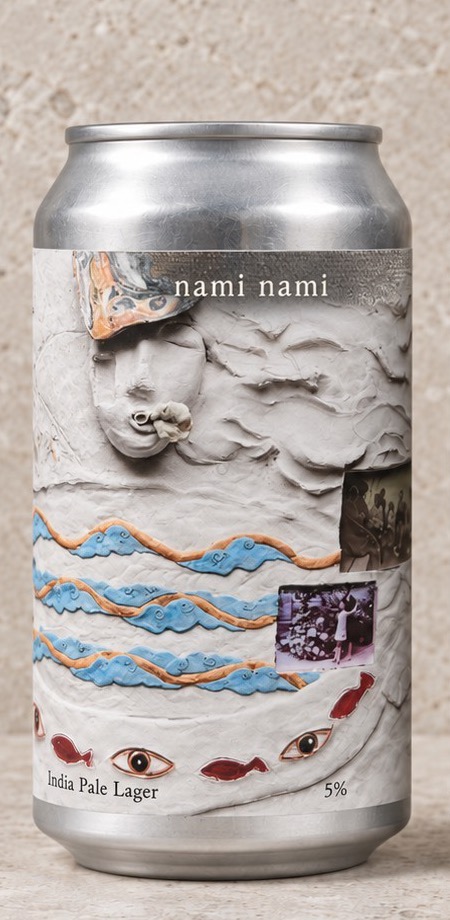
nami nami can wrapped in a clay relief: a face blowing wind, blue and orange waves, small red fish and eyes, with inset photographs.
ii.

Natsuki Makino

The feelings and sensations we experience before we can name them

Natsuki Makino (b. 2000) is a Tokyo-based artist whose work explores the subtle feelings and sensations of everyday life. Through movement, material, and intuition, she follows experiences that are difficult to put into words, capturing moments before they become familiar or clearly defined. Her practice embraces uncertainty and the coexistence of different emotions.

nami nami can wrapped in a muted grey oil painting on visible canvas, with faint pearl-like forms.
iii.

Riko Monma

How forms and identities emerge through change and connection

Riko Monma (b. 1994) is a Japanese–New Zealand artist working primarily in oil painting. Her work explores accumulation, equilibrium, and the relationships between individual forms and larger systems. Through recurring pearls and atmospheric landscapes, she considers the shifting relationships between order and disorder, and how individuality emerges and persists within a world of continuous change.

Where to find it

Poured at

  • Venue
  • Venue
  • Venue
  • Venue
  • Venue
  • Venue
  • Venue
  • Venue